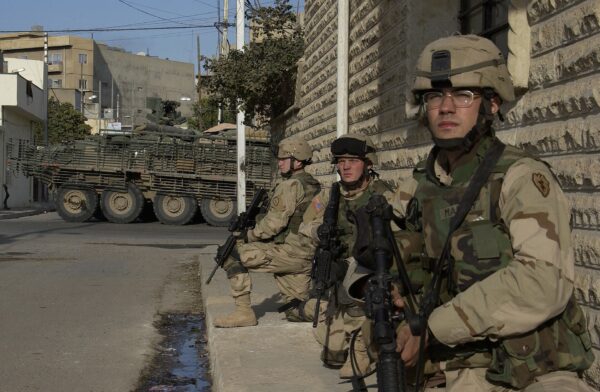

Tensions over the direction and messaging of the U.S. military operation in Iran spilled into sharp on-air debate Tuesday, as Jesse Watters and Lisa Kennedy Montgomery sparred over whether Americans deserve a clear timeline for the conflict.
The exchange unfolded on The Five, where co-host Jessica Tarlov raised concerns about what she described as inconsistent explanations from the Trump administration regarding the war effort.
According to Tarlov, officials, including Donald Trump and Defense Secretary Pete Hegseth, have offered shifting timelines and strategies. She pointed to a range of statements suggesting the operation could last days or months, while also highlighting apparent contradictions over troop involvement—ranging from assurances of no boots on the ground to discussions of a draft and the deployment of thousands of troops.
Kennedy later echoed those concerns, arguing that while strategic ambiguity may serve a purpose against adversaries, it should not come at the expense of transparency with the American public. She suggested that even if certain messaging is intended to confuse opponents, citizens at home deserve a clearer understanding of how long the conflict might last.
Her remarks reflected a broader unease that has surfaced in recent weeks, particularly among those wary of open-ended military commitments. Kennedy emphasized that uncertainty may be tolerable in the fog of war abroad, but is harder to justify for families watching developments unfold at home.
Watters, however, pushed back, arguing that imposing a rigid timeline on a military operation could undermine its effectiveness. He maintained that such conflicts should conclude based on achieving objectives, not adhering to arbitrary deadlines.
In his view, the campaign—now several weeks underway—remains relatively short and should be given time to play out. He urged patience, framing the operation as both necessary and, so far, effective.
The back-and-forth quickly grew more pointed, with Kennedy comparing Watters’ stance to that of prominent Republican figures known for their hawkish foreign policy views. The remark underscored a subtle but notable divide within conservative circles—between those who favor a more aggressive posture overseas and those increasingly cautious about prolonged entanglements.
Watters countered by stressing the complexity of war, describing it as inherently difficult and requiring room for military planners to operate without political constraints. He reiterated confidence in the operation’s trajectory, suggesting that success would ultimately justify the current approach.
Still, Kennedy’s skepticism lingered as a reminder of recent history, where conflicts initially framed as limited engagements stretched far longer than anticipated. Her insistence on accountability and clarity highlighted a growing sentiment that, even among supporters of strong national defense, questions about duration and cost cannot be dismissed outright.
The exchange, while heated, captured a broader national conversation—one that balances confidence in military capability with caution about how and when such power is used. As the operation in Iran continues, that tension is unlikely to fade, particularly as Americans weigh not just the goals of the conflict, but the timeline and toll it may ultimately demand.
[READ MORE: Retired General Warns Iran Could Endure Years as U.S. Weighs Costly Path Forward]