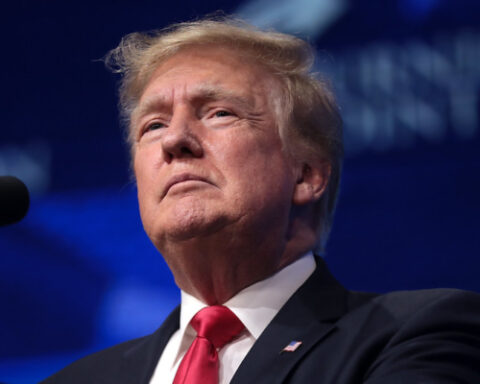
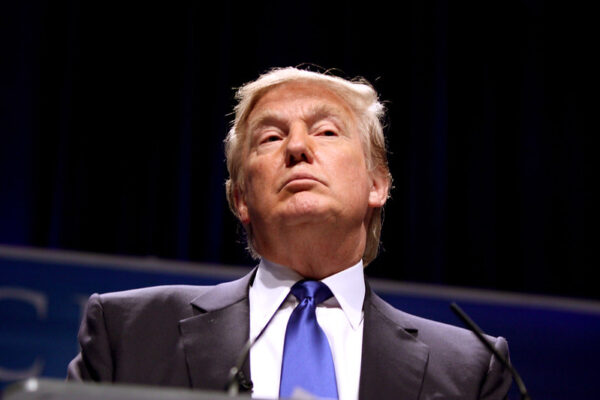
Tensions between the United States and Iran escalated further this week after a senior Iranian security official issued a direct warning to President Donald Trump following the president’s vow of retaliation if Tehran continues blocking the Strait of Hormuz.
The exchange came after Trump took to Truth Social on Monday night with a stark message to Iran, warning that the regime should expect “death, fire, and fury” if the crucial shipping route remains closed. The Strait of Hormuz is one of the world’s most important energy corridors, and any disruption there has immediate ripple effects across global markets.
Trump’s warning followed reports that Iran had moved to close the strategic passage, a development that has rattled energy markets and heightened tensions across the Persian Gulf.
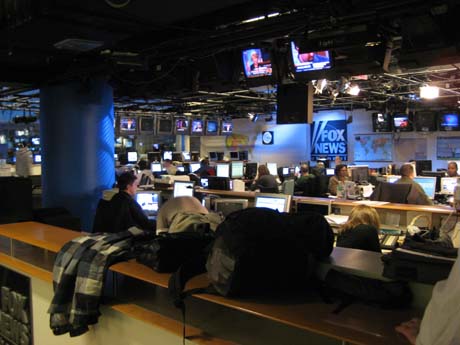
Speaking with Fox News, Trump also weighed in on Iran’s new supreme leader, Mojtaba Khamenei, expressing strong disapproval of the cleric’s appointment. The president suggested that the new leader would not be able to “live in peace,” signaling continued pressure from Washington.
Trump went further, saying he was “not happy with the appointment” and asserting that the United States should ultimately have the final say over Iran’s leadership.
The remarks quickly drew a fiery response from within Iran’s leadership.
Ali Larijani, a senior security figure in the Iranian regime, posted a response on the social platform X after sharing a screenshot of Trump’s comments. His message carried a direct warning for the American president.
“The Iranian people is not afraid of your threats,” Larijani wrote. “Be careful or you will be the one who is eliminated.”
The heated rhetoric underscores the increasingly volatile tone between Washington and Tehran as the confrontation continues to unfold. While harsh language between the two sides has become common during periods of crisis, such blunt personal threats reflect how quickly tensions can spiral when military conflict looms in the background.
The situation surrounding the Strait of Hormuz has drawn particular concern because of its global significance. The narrow waterway serves as a vital channel for international shipping, and any prolonged disruption could send shockwaves through energy markets and economies worldwide.
The latest exchange also comes amid renewed concerns about threats directed at the president himself.
Just days earlier, a court delivered a guilty verdict tied to an alleged assassination plot targeting Trump during the 2024 presidential campaign.
According to authorities, Asif Merchant, a Pakistani national, was convicted on Saturday in connection with a conspiracy to kill the president. Prosecutors alleged that Merchant had been trained by Iran’s Islamic Revolutionary Guard Corps.
U.S. national security officials had previously warned the Trump campaign that Iran was actively targeting him. Intelligence assessments indicated that multiple suspected operatives believed to be linked to Iran may have been operating within the United States.
The conviction added another layer of tension to an already fraught relationship between the two countries, one now shaped by both geopolitical conflict abroad and security concerns at home.
As the rhetoric between Washington and Tehran intensifies, the standoff illustrates how quickly confrontations at sea or in political messaging can escalate into broader crises. With global markets already rattled and tensions rising in the Gulf, the stakes surrounding the conflict continue to grow—serving as a reminder that even wars fought far from American shores can carry unpredictable consequences.