A March 27 attack by Iranian forces on Prince Sultan Air Base in Saudi Arabia left multiple American service members wounded and damaged several U.S. aircraft, according to individuals familiar with the incident who spoke to Air & Space Forces Magazine.
Initial reports indicate that at least 10 U.S. personnel were injured in the strike, including two who suffered serious wounds. The attack involved both a missile and multiple drones, underscoring the continued threat posed by Iran despite recent claims of degraded capabilities.
An Iranian missile struck the base directly, causing injuries to those stationed there. In addition to the missile strike, drones were deployed in the assault, highlighting the evolving nature of the battlefield and the persistent danger facing American forces in the region.
A spokesperson for U.S. Central Command declined to comment on the incident, leaving many details still unconfirmed as assessments continue.
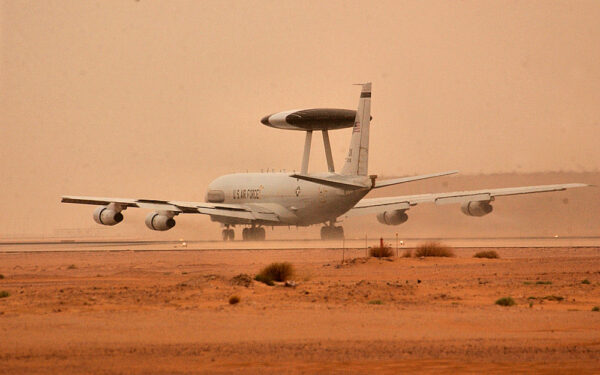
Preliminary information suggests that multiple U.S. refueling aircraft were damaged in the attack, along with an E-3 Sentry AWACS command-and-control plane. A photograph circulating after the strike appears to show significant damage to one of the Air Force’s E-3 aircraft, a critical asset used for surveillance and coordination in combat operations.
The strike comes just days after CENTCOM commander Adm. Brad Cooper stated on March 25 that Iranian missile and drone launches had dropped by more than 90 percent since the conflict began on Feb. 28. Cooper also said U.S. forces had inflicted substantial damage on Iran’s military production capabilities.
According to Cooper, more than two-thirds of Iran’s missile, drone, and naval production facilities, as well as shipyards, have been damaged or destroyed. He described the campaign as putting the United States “on a path” toward eliminating Iran’s broader military manufacturing apparatus.
Yet the latest attack appears to complicate that narrative. Despite reported setbacks, Iran has demonstrated it retains the ability to launch missiles and conduct coordinated strikes against high-value U.S. targets. The incident serves as a stark reminder that even diminished adversaries can still inflict serious harm.
Prince Sultan Air Base remains a central hub for U.S. military operations in the Middle East, hosting a range of aircraft that support ongoing missions tied to the conflict with Iran. Its strategic importance makes it a recurring target.
The human toll of the conflict continues to grow. U.S. officials report that more than 300 American service members have been wounded since the start of Operation Epic Fury. Thirteen have been killed, including a soldier who died during an earlier attack on Prince Sultan Air Base in early March.
As military leaders point to progress in weakening Iran’s capabilities, the latest strike highlights a more sobering reality: the fight is far from over, and American troops remain in harm’s way even as officials speak of momentum and long-term objectives.
[READ MORE: Rising Mortgage Rates Reflect Economic Strain as Iran Conflict Fuels Energy Shock]