The U.S. military is now reportedly touting a new breakthrough in missile technology, as officials highlight both its speed and potential affordability at a time when defense spending is rapidly expanding alongside ongoing conflict in the Middle East.
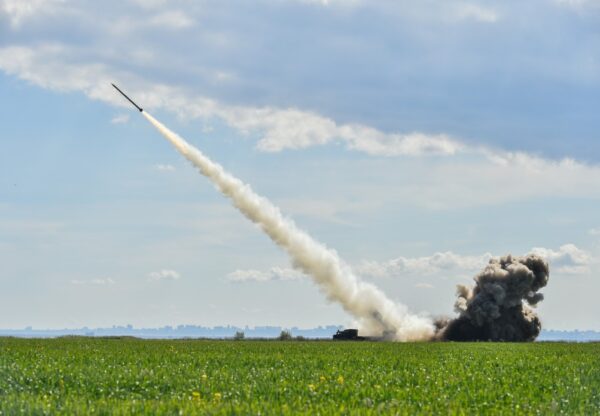
The Air Force Research Laboratory (AFRL), based at Wright-Patterson Air Force Base in Ohio, recently partnered with a defense contractor to successfully test a missile powered by a liquid rocket engine capable of reaching supersonic speeds. The development marks a notable step forward in the Pentagon’s push to accelerate weapons production and modernize its arsenal for future conflicts.
Air Force Brig. Gen. Jason Bartolomei, who leads AFRL and serves as the Air Force’s technology executive officer, framed the test as more than just a single achievement. Instead, he described it as evidence that the military is reshaping how it acquires and deploys new technologies.
“This project proves that we can transform and leverage our acquisition models to rapidly deliver critical technology advancements to deter and win in a future conflict,” Bartolomei said in remarks provided to the Pentagon.
According to Bartolomei, the goal extends beyond building one advanced weapon. He emphasized that the effort is aimed at creating a scalable and cost-effective system that could be mass-produced if needed, strengthening the nation’s deterrence capabilities.
“We are not just building a single missile; we are forging a new path toward a cost-effective, mass-producible deterrent for the nation,” he added.
The contractor involved in the project underscored the unusually fast timeline, pointing to what some see as a long-overdue shift in how the military develops hardware. CEO Chris Spagnoletti noted that the team moved from contract to a fully flight-ready system in just eight months—a pace that stands in contrast to the often years-long timelines associated with traditional defense programs.
“This flight proves that you can get a vehicle with a safe, storable and throttleable liquid engine in the air quickly and affordably,” Spagnoletti said.
While the technological milestone is being celebrated by defense officials, it comes at a moment when the broader context of military expansion is difficult to ignore. The Pentagon is reportedly seeking an additional $200 billion in funding tied to ongoing operations in Iran, a figure that underscores the scale and cost of modern warfare.
At the same time, the Defense Department is preparing to deploy three additional warships and approximately 2,500 Marines to the Middle East. The move follows continued attacks by Iran on Israel as well as energy infrastructure in neighboring Gulf Arab states, escalating tensions in an already volatile region.
Taken together, the rapid missile development and the surge in military deployments reflect a defense strategy increasingly focused on speed, readiness, and deterrence. Yet they also highlight the growing financial and strategic commitments required to sustain such efforts.
Even as officials promote innovation and efficiency, the realities of war—both in cost and consequence—remain close at hand, raising ongoing questions about how far technological advances can go in shaping the outcomes of conflicts that continue to expand.
[READ MORE: Netanyahu Signals Ground War May Be Needed as U.S.-Israel Goals Show Signs of Strain]