
National Economic Council Director Kevin Hassett is now reportedly signaling confidence in the U.S. economy despite rising costs tied to the ongoing U.S.-Israeli conflict with Iran, even as Americans face higher prices at the pump and across key goods.
In an interview Tuesday on CNBC’s Squawk Box, Hassett told host Becky Quick that while consumers may feel some impact, the broader economic picture remains stable.
“The fact is that the U.S. economy is fundamentally sound,” Hassett said, adding that even if the conflict were to continue, it “wouldn’t really disrupt the U.S. economy very much at all.”
He acknowledged that extended tensions could hurt consumers, but made clear where the administration’s priorities lie. “It would hurt consumers and we’d have to think about if that continued what we would have to do about that,” he said. “But that’s really the last of our concerns right now because we’re very confident that this thing is going ahead of schedule.”
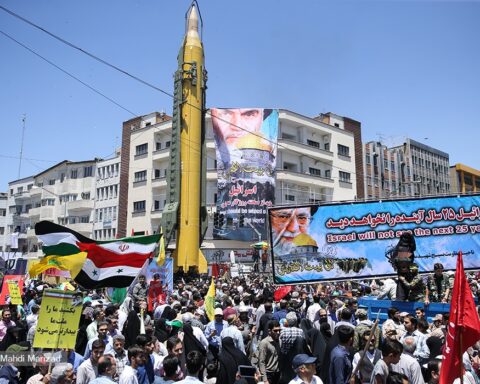
Those remarks come as Americans are already seeing tangible effects from the conflict. The closure of the Strait of Hormuz has driven up prices on oil, gas, and even fertilizer. According to AAA data, the national average for gas reached $3.79 per gallon as of Tuesday morning, up 11 cents since Saturday.
Oil markets have also responded sharply. West Texas Intermediate crude was trading just above $95 per barrel, while Brent crude, the international benchmark, closed the week above $102 per barrel.
At the same time, the financial cost of the military operation is mounting. During a recent appearance on CBS News’s Face the Nation, Hassett addressed whether the administration might need to seek additional funding from Congress. Host Margaret Brennan cited Pentagon estimates placing the cost of the conflict at more than $11.3 billion within the first six days.
Hassett indicated the number may already be higher. “The latest number I was briefed on was $12 billion,” he said, adding that decisions about future funding would be reviewed by Office of Management and Budget Director Russ Vought and other officials.
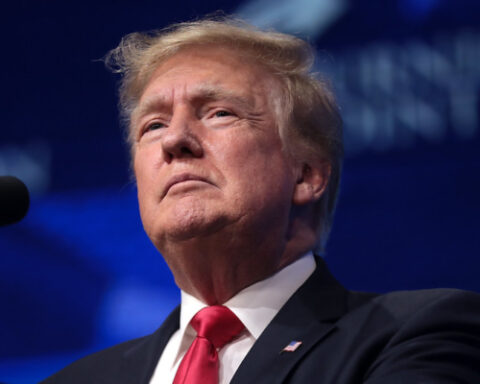
For now, the administration appears intent on projecting confidence. President Trump and members of his Cabinet have characterized the economic impact as a “small price to pay,” while also pointing out that rising oil prices can benefit domestic producers.
Trump has also suggested that relief could come quickly. Last week, he said consumers would see prices fall “as soon as this has ended,” reinforcing the administration’s message that the situation remains under control.
Democrats, however, have seized on the rising costs as a point of criticism. California Gov. Gavin Newsom questioned who exactly benefits from higher oil prices after Trump remarked that “when oil prices go up, we make a lot of money.”
Meanwhile, Trump has continued to emphasize progress on the battlefield, suggesting the conflict is moving ahead of schedule, though without providing a clear timeline. On Sunday, he stopped short of declaring victory but indicated significant damage had been inflicted.
“I just say they’re decimated,” Trump said while speaking to reporters aboard Air Force One. “I think that we’ve done damage to them.”
As the administration balances its economic messaging with ongoing military operations, the situation underscores a familiar tension: while officials project strength and stability, the costs—both financial and at the consumer level—are already being felt at home. And as those pressures build, the question of how long the current approach can be sustained may become harder to sidestep.
[READ MORE: Fetterman Breaks With Democrats Over DHS Shutdown, Warns Workers and Security Paying the Price]