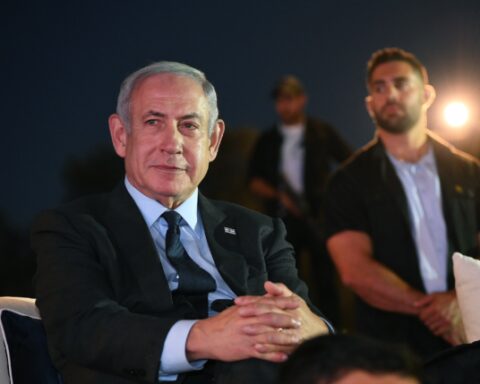
Israeli Prime Minister Benjamin Netanyahu announced Wednesday a sweeping $108 billion plan to build an independent Israeli munitions industry, signaling a major shift in defense strategy as international pressure mounts to limit military support for the Jewish state.
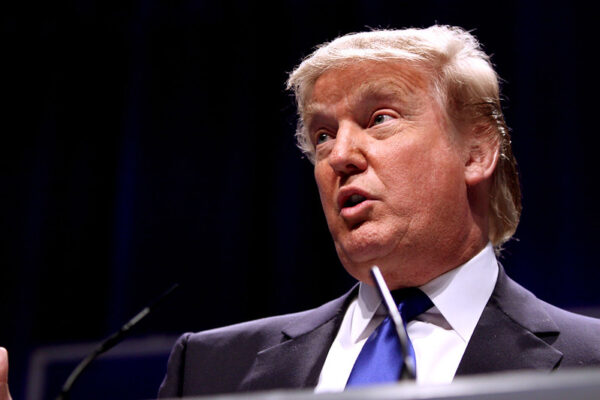
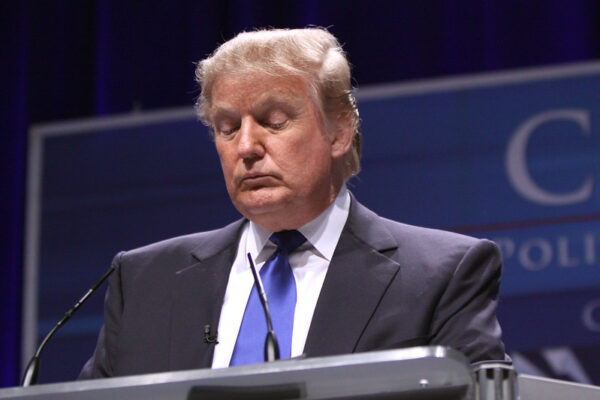
The decade-long investment comes just days before Netanyahu is set to meet with Donald Trump at Mar-a-Lago and as voices on both the American left and right increasingly call for reducing or cutting off U.S. military aid to Israel. The upcoming meeting will mark the fifth time Netanyahu has met with Trump since Trump was inaugurated last January.
Speaking at a graduation ceremony for Israeli Air Force pilots, Netanyahu said he approved the funding package alongside Israel’s defense and finance ministers. The plan allocates 350 billion shekels over ten years to ensure Israel can manufacture its own critical weapons and ammunition.
Netanyahu said the investment is necessary to reduce Israel’s reliance on outside suppliers, including allies, after multiple countries imposed restrictions on weapons exports to Israel. Some of those limitations occurred under the administration of former President Joe Biden.
“We must reduce our dependence on all players, including friends,” Netanyahu said, according to the Times of Israel, emphasizing that recent restrictions exposed vulnerabilities in Israel’s supply chains during wartime.
Netanyahu’s meeting with Trump next week is expected to focus not only on defense but also on Gaza’s future governance. According to Axios, Israel plans to unveil a new governing entity for Gaza supported by a Trump-led Board of Peace, with former U.N. envoy Nickolay Mladenov serving as the representative on the ground.
Special Envoy Steve Witkoff and Trump’s son-in-law Jared Kushner have reportedly been coordinating with Arab partners and Turkey on the next phase of the ceasefire, which would include disarming Hamas and demilitarizing the Gaza Strip.
Netanyahu has long argued that Israel must be able to defend itself without depending on foreign governments. Earlier this year, he said Israel would become a “super-Sparta,” a comment that drew criticism until he clarified that he was referring specifically to the defense sector, not the broader economy.
Israel is currently the world’s eighth-largest arms exporter, recording $15 billion in sales in 2024. Even so, the country has relied heavily on foreign munitions and equipment since the Hamas attack on October 7, 2023, particularly during sustained combat operations.
A key part of Israel’s push toward self-sufficiency is the Iron Beam laser defense system, which is expected to be delivered to the Israeli military by the end of the month. Iron Beam can intercept missiles, mortars, and drones at an estimated cost of just $2 per interception, a dramatic reduction compared with Iron Dome interceptors, which can cost between $100,000 and $1 million each.
The Iron Beam system was developed by Israel’s Rafael Defense Industries in cooperation with U.S.-based Lockheed Martin, and the technology is reportedly being shared with the U.S. Army’s directed energy program.
Since Israel’s war against Hamas began, numerous countries have restricted or halted arms exports to Israel, including Belgium, France, Italy, Japan, the Netherlands, Slovenia, Spain, the United Kingdom, and the United States under the Biden administration.
The U.S. currently provides Israel about $3.3 billion annually for American defense equipment, plus roughly $500 million per year for joint missile defense programs. Supporters of the aid argue it strengthens both Israeli and American security by deterring Iran, Hezbollah, and other terrorist groups, while also supporting U.S. defense jobs and advancing military technology through real-world testing.
Despite that, a growing bipartisan group of lawmakers has called for cutting U.S. aid, including Reps. Marjorie Taylor Greene, Thomas Massie, Ilhan Omar, Rashida Tlaib, Summer Lee, and Al Green, who voted in July for a failed amendment to reduce Iron Dome funding.
Netanyahu’s massive domestic investment underscores a clear message: Israel intends to ensure its ability to stockpile arms by moving away from reliance on the United States.
[READ MORE: Trump’s Christmas Message Touts Border Security, Economic Gains and Lighthearted Calls With Kids]