Just before Thanksgiving, the Interior Department unveiled a series of policy changes that will significantly affect how Americans and international tourists access national parks beginning in 2026.
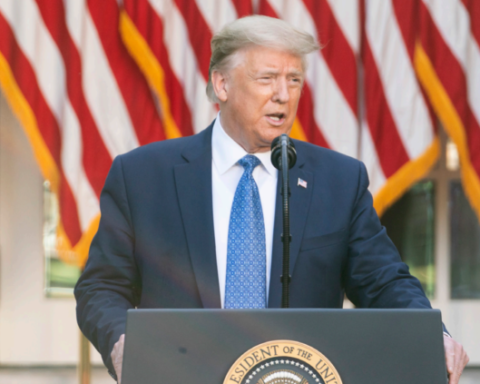
Among these changes is a new surcharge for foreign visitors — part of a plan President Donald Trump had directed the department to develop for months as a way to ensure that U.S. taxpayers are not solely footing the bill for the maintenance and protection of America’s most iconic natural treasures.
The surcharge appears in the Interior Department’s fiscal year 2026 budget proposal and is projected to generate more than $90 million in revenue. While other countries routinely charge U.S. tourists higher fees — for example, France’s Louvre Museum is raising prices for non-EU visitors — foreign tourists have historically enjoyed the same low-cost access to America’s national parks as U.S. residents. That will change in January.
According to the Interior Department, international visitors will now pay $250 for the America the Beautiful annual pass. This pass grants access to thousands of federal recreation sites. Americans will continue paying the current rate of $80.
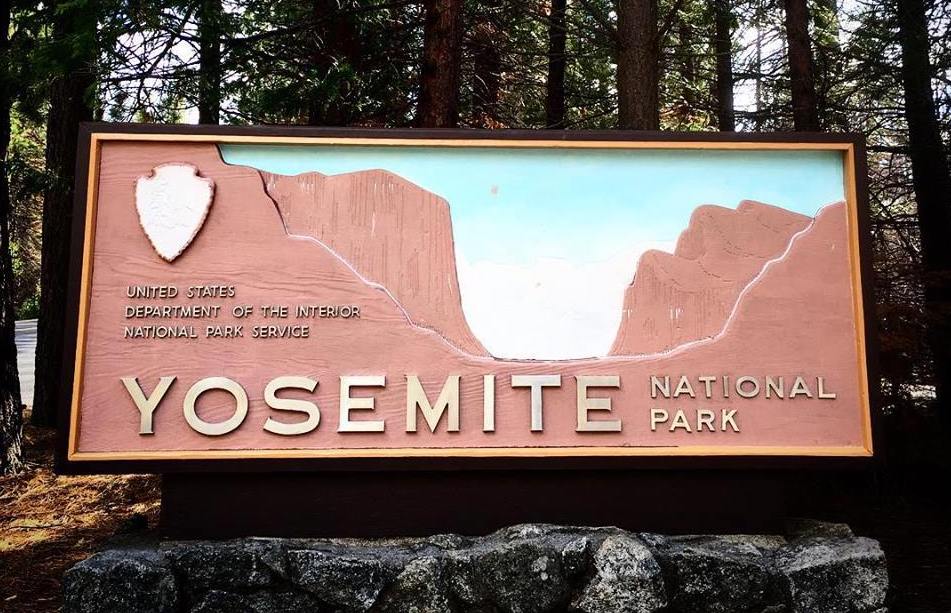
Foreign tourists visiting the most popular national parks will also face a new $100 per-person entrance fee unless they already hold the America the Beautiful pass. The fee will apply at:
Acadia
Bryce Canyon
Everglades
Glacier
Grand Canyon
Grand Teton
Rocky Mountain
Sequoia & Kings Canyon
Yellowstone
Yosemite
Zion
These 10 parks represent some of the busiest and most heavily impacted locations in the national park system, which saw a record 331.8 million visits last year — including roughly 14.6 million international tourists.
Meanwhile, the National Park Service will introduce “resident-only patriotic fee-free days” in 2026, during which only U.S. residents will be granted free admission to fee-charging parks. These dates include:
Presidents’ Day — Feb. 16
Memorial Day — May 25
Flag Day (also President Trump’s birthday) — June 14
Independence Day weekend — July 3–5
National Park Service’s 110th birthday — Aug. 25
Constitution Day — Sept. 17
Theodore Roosevelt’s birthday — Oct. 27
Veterans Day — Nov. 11
Previously free-admission days such as MLK Day, Juneteenth, National Public Lands Day, the first day of National Park Week, and the anniversary of the Great American Outdoors Act are no longer included on the 2026 fee-free calendar.
Currently, only 106 of the 475 National Park Service sites charge entrance fees, with the most expensive parks — Yellowstone, Yosemite, and Zion — charging $35 per vehicle. Revenue from these fees is reinvested under the Federal Lands Recreation Enhancement Act to improve and protect visitor facilities and experiences.
Supporters of the new surcharge argue that it is reasonable for foreign tourists to contribute more toward the upkeep of America’s national parks, especially as the system experiences record-breaking visitation levels. Critics, in contrast, accuse the Trump administration of erecting barriers to tourism.
Still, with these changes scheduled to take effect in January, the administration is signaling a clear shift toward prioritizing American taxpayers and ensuring that high-traffic parks receive increased funding at a time of unprecedented demand.