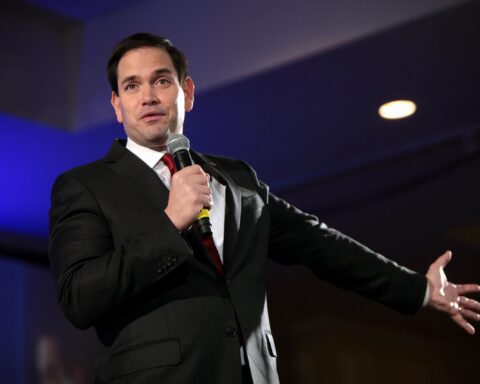
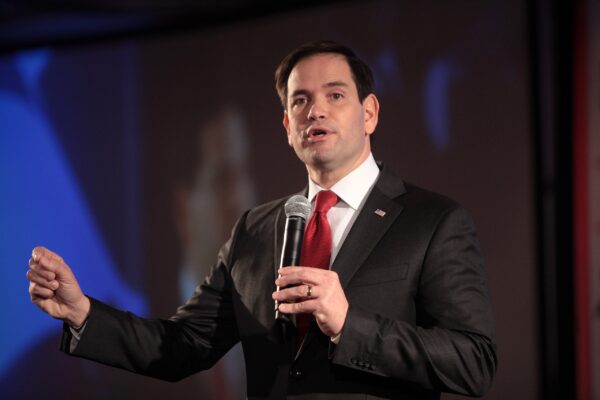
Secretary of State Marco Rubio said Thursday that the United States and China have found common ground on a critical global chokepoint, agreeing that the Strait of Hormuz should not be militarized—even as Iran continues to keep the vital waterway closed following a ceasefire in its conflict with the U.S. and Israel.
Speaking from Beijing after accompanying President Donald Trump to a high-profile meeting with Chinese leader Xi Jinping, Rubio underscored that both Washington and Beijing oppose turning the strait into a flashpoint. His remarks came despite the fact that China sanctioned him in 2020, a reminder of the complicated dynamics at play even as the two nations appear to align on this issue.
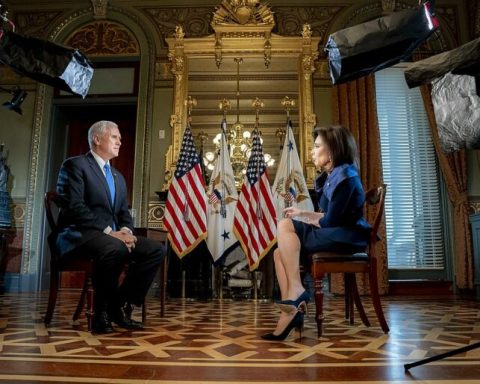
According to Rubio, Chinese officials made clear they do not support militarization of the Strait of Hormuz or the implementation of any tolling system controlled by Iran. “That’s our position,” Rubio said in an interview with NBC News, adding that the United States would never accept Iran placing mines in international waters or charging for passage through the strait.
While the agreement may signal a rare moment of overlap between the world’s two largest powers, Rubio emphasized that the U.S. is taking a more assertive approach. He noted that China supports preventing Iran from acquiring a nuclear weapon, but contrasted that stance with what he described as concrete American action, pointing to the U.S. blockade on Iranian shipping as a direct response to Tehran’s behavior.
At the same time, Rubio made clear that Washington has not sought China’s assistance in dealing with Iran, even as the administration looks to apply pressure through diplomatic and economic channels.
The ongoing closure of the Strait of Hormuz—a key artery for global energy shipments—has heightened concerns about economic fallout. Rubio sought to reassure Americans that relief is likely once the waterway reopens, predicting a “dramatic reduction” in energy prices over time as delayed oil shipments finally reach the market.
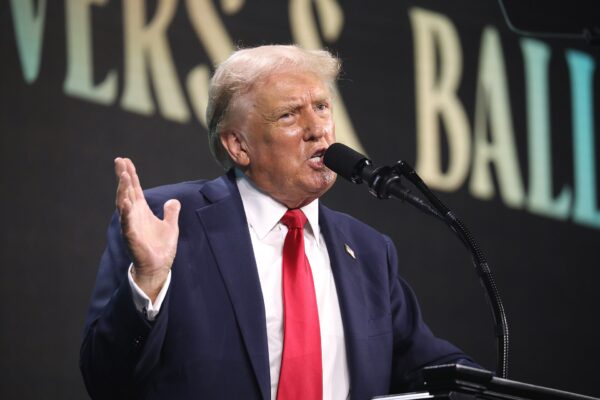
The secretary also defended President Trump’s recent comments suggesting he does not weigh Americans’ financial concerns when negotiating with Iran. Critics have argued the remarks seemed disconnected, but Rubio pushed back, framing them as a signal of resolve. He said the administration will not allow Iran to exploit domestic political pressures to secure concessions, adding that efforts are already underway to keep U.S. gas prices lower than those in other parts of the world.
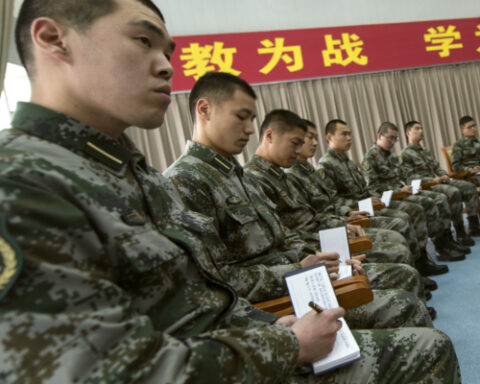
Behind the scenes, the administration is also looking to bring China more directly into the diplomatic process. Rubio previously indicated that Trump and his team intend to encourage Xi to play a more active role in negotiations aimed at ending the conflict, which has disrupted shipping routes critical to China’s energy supply.
China’s economic ties to Iran remain significant. A March report from the U.S.-China Economic and Security Review Commission found that Chinese purchases account for roughly 90 percent of Iran’s exported oil, underscoring Beijing’s stake in restoring stability to the region.
Still, progress toward a broader agreement appears limited. Talks between the U.S. and Iran have shown little movement since the ceasefire began in early April. Earlier this week, Trump rejected a 14-point peace proposal from Tehran, while Iran’s parliamentary speaker, Mohammad Bagher Ghalibaf, urged Washington to reconsider.
Ghalibaf warned that delays could carry a growing cost, saying the longer negotiations stall, the more American taxpayers will ultimately pay. His remarks reflect the broader reality that prolonged standoffs—especially those tied to strategic waterways and military posturing—can carry consequences that extend far beyond the battlefield, affecting both global markets and everyday citizens at home.
[READ MORE: Trump Calls for Staffer’s Dismissal After Senate Hearing Moment Draws Scrutiny]