Three Senate Democrats are taking aim at the Trump administration’s approach to Brazil, warning against any U.S. interference in the South American nation’s upcoming presidential election, according to a letter obtained by The Hill.
Sens. Jeanne Shaheen, D-N.H., Tim Kaine, D-Va., and Peter Welch, D-Vt., sent the letter Monday to Secretary of State Marco Rubio, cautioning against U.S. meddling in Brazil’s Oct. 4 elections.
The senators pressed Rubio for a response, asking whether the administration would “commit to recognizing the certified outcome” of the elections and support normal diplomatic relations with whichever candidate Brazilian voters freely and fairly choose.
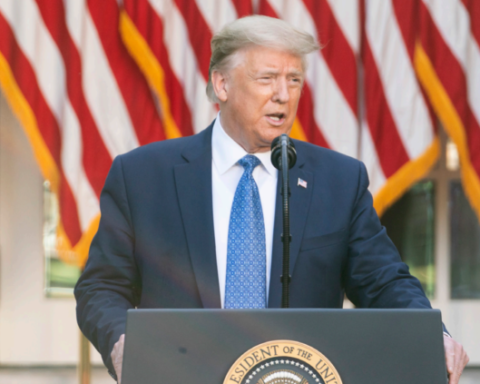
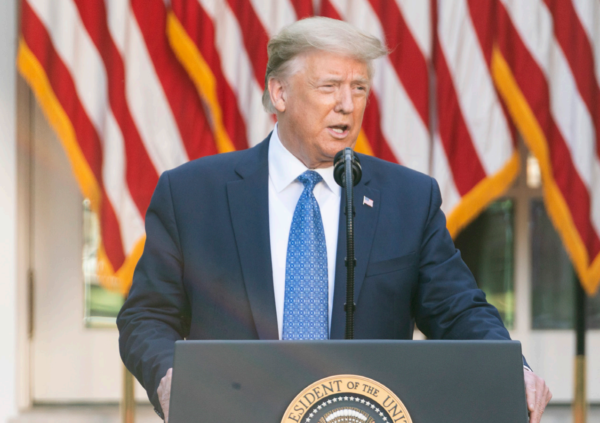
President Trump has celebrated victories by his preferred right-wing candidates across Latin America, but he has so far stopped short of an explicit endorsement in Brazil’s race.
The president has, however, hit Brazil with tariffs in retaliation for the trial of his political ally, former right-wing populist President Jair Bolsonaro. Bolsonaro was convicted in September 2025 on charges of inciting a coup to stay in power. Trump has recently shown favor to Bolsonaro’s son, Flávio, one of 13 candidates running in the October election.
In their letter, the Democrats zeroed in on Darren Beattie, the State Department’s senior adviser for Western Hemisphere affairs, accusing him of driving a pattern of aggressive actions against Latin America’s most populous democracy.
The senators leveled harsh accusations at Beattie, calling him “a noted far-right extremist and white supremacist” and claiming he came into the post with a record of public statements signaling a commitment to undermining Brazil’s democratic institutions and advancing the interests of the country’s far right.
Beattie served in Trump’s first administration as a speechwriter but was fired after it was revealed that he had attended a gathering of white supremacists. He founded the right-wing media outlet Revolver News, which reportedly amplified false conspiracy theories about the Jan. 6, 2021, attack on the Capitol. Beattie also reportedly made disparaging comments about people of color online.
He was appointed to his State Department role in February, avoiding Senate confirmation by using the “senior adviser” title. According to the department’s website, Beattie has been one of its leading voices on Brazil policy since November 2025.
In March, Brazil denied Beattie a visa amid a diplomatic dispute between Washington and Brasília. Brazilian President Luiz Inácio Lula da Silva, who is also on the ballot in October, said the visa was denied because the Trump administration had blocked Brazil’s health minister from traveling to the U.S. Brazil’s Foreign Ministry told Reuters at the time that Beattie had omitted or falsified relevant information about the reason for his visit.
The visa standoff was just one of several high-profile clashes between Trump and Lula’s government.
In May, Trump welcomed Flávio Bolsonaro for a short Oval Office meeting and then designated Brazil’s two biggest drug gangs as terrorist groups, a move Lula condemned as unacceptable interference in Brazil’s internal affairs.
In July, the U.S. slapped 25% tariffs on Brazil over “unfair trade practices,” following a yearlong investigation launched in the aftermath of a spat between Trump and Lula.
The senators argued that the U.S. is using diplomatic, economic and political pressure in ways that risk weakening Brazil’s democratic institutions, undermining confidence in its electoral process and further damaging relations with a strategic ally and trading partner.
They went on to describe the administration’s actions as part of “a broader and deeply troubling pattern” of interference in recent Latin American elections, warning it could erode public confidence in democratic institutions across the region.