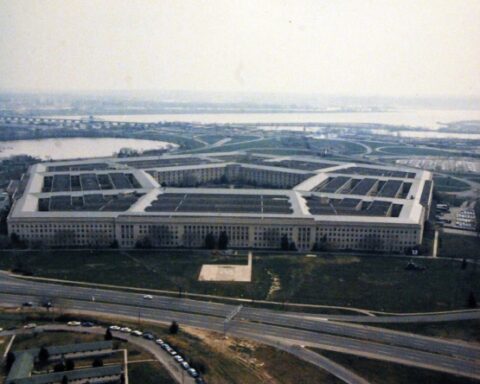
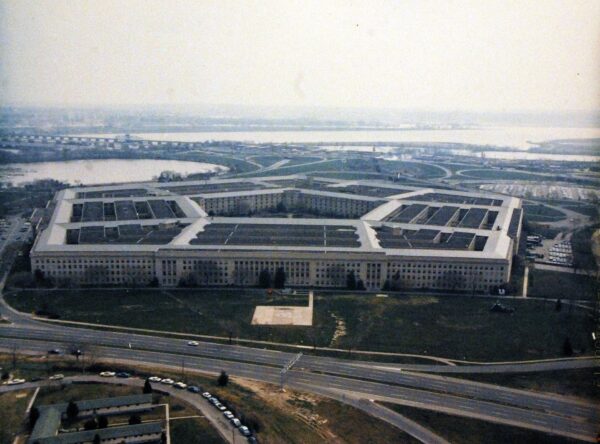
The Department of War is ramping up its hunt for leakers inside the Pentagon, ordering roughly 50 members of the Joint Staff’s approximately 2,000 personnel to submit to polygraph exams after a string of sensitive leaks to the press, according to a Friday report from The New York Times.
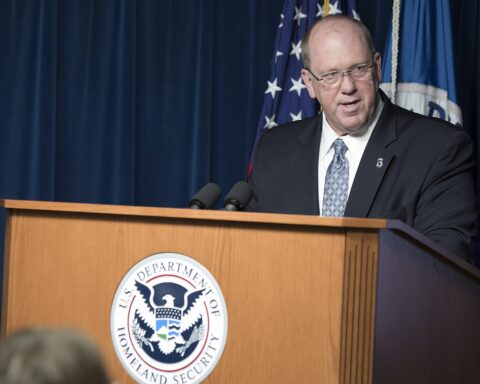
Chief Pentagon spokesman Sean Parnell confirmed the department is taking the leaks extremely seriously, though he declined to comment on the specifics of any internal investigation. “Securing classified information is critical to ensuring the security of the United States and of our troops deployed around the world,” Parnell said.
The leaks in question reportedly included claims that the U.S. military ran low on critical munitions during the opening months of the war with Iran. The Pentagon has since moved to replenish its stockpiles, announcing plans to purchase almost 14,000 additional Patriot Advanced Capability-3 and Terminal High Altitude Area Defense components. That decision came after the Center for Strategic and International Studies estimated in July that the U.S. burned through roughly two-thirds of its pre-war Patriot and THAAD inventories.
President Trump has flatly rejected suggestions that America’s ammunition supply is running thin. “For the treasonous SCUM that refuses to accurately report on our Military Operation in Iran, we have virtually unlimited amounts of Mid to High Grade Ammunition,” the president posted to Truth Social last Thursday.
That message follows an earlier vow from Trump a month prior that leakers “are being hunted down,” a warning he issued in an Aug. 6 Truth Social post.
Polygraph exams work by tracking a subject’s physiological responses — pulse, blood pressure, breathing and perspiration — to a series of questions, with certain patterns believed to correlate with dishonesty. The American Psychological Association has cautioned, however, that nerves alone can trigger similar reactions, meaning polygraphs carry a notable risk of false positives.
The move marks the latest step in the administration’s aggressive posture toward media leaks tied to national security operations, as officials continue working to identify the source of the disclosures while simultaneously pushing back publicly on the substance of the reporting itself.