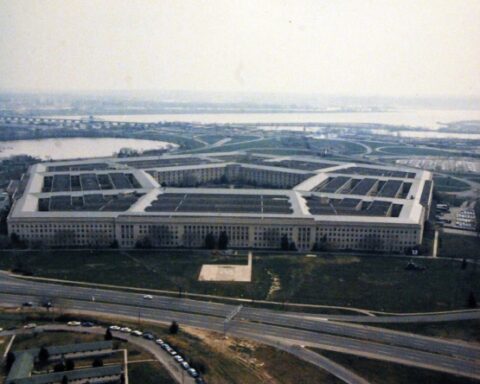
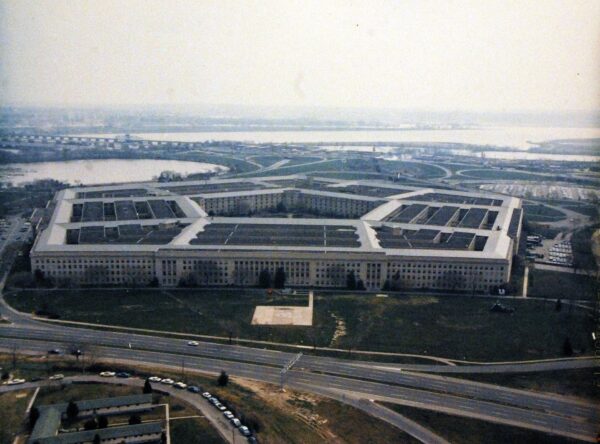
The Pentagon’s decision to block its own military newspaper, Stars and Stripes, from attending a press conference with Defense Secretary Pete Hegseth on Thursday is reportedly raising questions about transparency, media access, and the role of independent reporting during a time of conflict.
Matthew Adams, a Pentagon reporter for Stars and Stripes, revealed in a social media post that the publication was not approved to attend the briefing. Instead, he said he would have to follow along remotely.
“Stars and Stripes was not approved by the Pentagon to attend this press conference. I will be watching it on a screen instead,” Adams wrote, noting that the move seemed unusual given the paper’s longstanding presence covering military affairs. He added that the decision came shortly after the Pentagon issued a memo outlining changes to the publication, including a content overhaul.
The exclusion quickly drew attention online, with some observers expressing surprise that a publication so closely tied to the military would be denied access to a major defense briefing. Former Stars and Stripes reporter Kevin Baron called the move striking, pointing out that the outlet’s staff are U.S. Army civilians whose editorial independence is protected by Congress.
“The Pentagon blackballed its own newspaper from covering its own press conference?” Baron wrote, emphasizing that those protections were put in place specifically to prevent political influence over reporting directed at service members.
The timing of the decision has only added to the controversy. Just days earlier, Stars and Stripes reported that the Pentagon plans to introduce new restrictions on its content, including a requirement that coverage adhere to standards of “good order and discipline.” While supporters of the changes have framed them as part of an effort to maintain focus and morale, critics have raised concerns about potential overreach.
Press freedom advocates quoted in the publication warned that the proposed changes could threaten the outlet’s independence. Timothy Richardson of PEN America said the developments suggest the Pentagon is seeking greater influence over editorial decisions, calling it “a threat to the First Amendment” and to the protections Congress has historically ensured.
At the same time, the administration has defended its broader approach to the publication. In January, Pentagon spokesman Sean Parnell said the goal of the changes was to “modernize its operations” and shift coverage away from what he described as “woke distractions that syphon morale.” That framing reflects a wider effort to align messaging with what officials see as the needs of service members during an active conflict.
Still, the decision to deny access to a press conference raises a different set of concerns—particularly in wartime, when the flow of information becomes even more consequential. Stars and Stripes has long served as a bridge between military leadership and rank-and-file personnel, offering reporting that is both informed by and independent of official channels.
Limiting that access, even temporarily, risks fueling questions about whether transparency is being narrowed at a time when clarity is most needed. While maintaining discipline and focus is a priority for any military, especially during ongoing operations, the balance between message control and independent reporting can be difficult to strike.
As the Pentagon moves forward with changes to the publication and continues to manage communications surrounding the conflict with Iran, the situation is likely to remain under scrutiny. For many observers, the episode is less about a single press conference and more about the broader principle at stake: ensuring that those who serve—and the public at large—have access to information that is both accurate and independent, even in the midst of war.
[READ MORE: Pentagon Bars Stars and Stripes from Briefing, Stirring Debate Over Access and Independence]