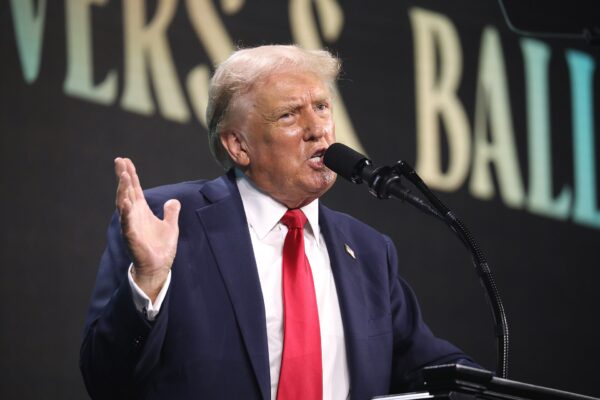
Fox News anchor Bret Baier pressed President Donald Trump this week on when the ongoing Iran war might end, questioning whether the administration had underestimated Iran’s willingness to endure sustained military pressure.
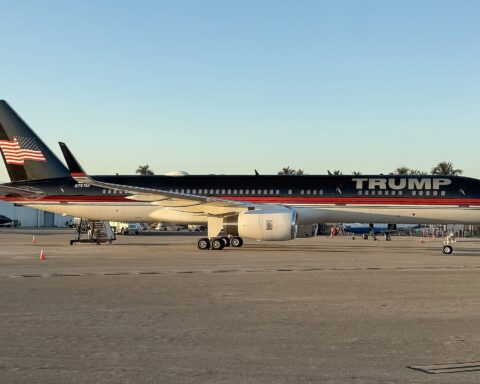
The interview took place during Trump’s trip to Beijing, where the president met with Chinese President Xi Jinping amid growing international attention surrounding the conflict. A portion of the interview aired on “America’s Newsroom,” while the full conversation was scheduled for broadcast on “Special Report.”
Baier directly challenged Trump on the state of the war after months of escalating military action involving the United States and Israel against Iran.
“So why are we where we are?” Baier asked. “Did you underestimate the pain tolerance that Iran had?”
Trump rejected the premise entirely, insisting the United States had inflicted overwhelming damage on Iranian targets while deliberately holding back from even more devastating attacks.
“I didn’t underestimate anything,” Trump responded. “We hit them unbelievably hard.”
The president claimed the United States had intentionally spared Iran’s bridges and electrical infrastructure, while warning those assets could be destroyed quickly if necessary.
“Look, we left their bridges. We left their electricity capacity. We can knock that all out in two days. Two days. Everything,” Trump said.
Trump also referenced Kharg Island, an important Iranian oil hub, saying the United States avoided fully destroying its oil operations by not striking certain valves where oil exits the facilities.
At the same time, Trump argued the conflict had unexpectedly boosted American energy production. He claimed ships were now traveling to Texas, Louisiana, and Alaska to load oil “like we’ve never seen before.”
Still, Baier pivoted to the question weighing on many Americans as the war drags on.
“Americans want to know when it’s over though, right?” the Fox News host asked.
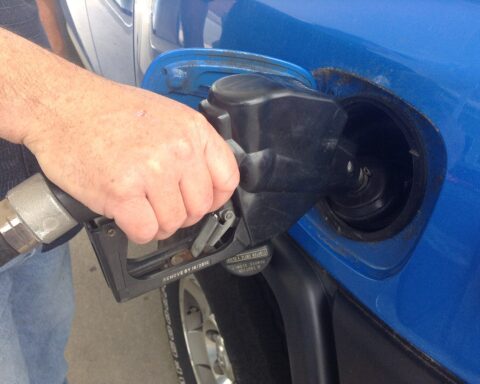
The exchange reflected growing public unease over the conflict. Recent polling has shown that a majority of Americans disapprove of the handling of the war. Economic concerns have also intensified, with national gas prices climbing sharply since the United States and Israel launched strikes against Iran in late February. According to AAA, average gas prices have risen above $4.50 nationally after sitting below $3 before the conflict began.
Rather than offering a timeline for ending the war, Trump compared the conflict to previous American military engagements that lasted years or even decades.
“Vietnam lasted 19 years,” Trump said. “Iraq was like 10 years. Korea was seven years. Another one was 14 years. Another one was 12 years. Another one was nine years. We’re in there for two and a half months.”
Trump also contrasted the casualty numbers from those wars with the current conflict, noting that “tens of thousands” of American service members died in earlier wars while 13 U.S. service members have been killed since the start of the Iran war.
“I wish we’d lost none because I know those parents, I spoke to them,” Trump added.
The president’s comments highlighted a recurring tension inside modern American politics: leaders often argue military conflicts are limited or successful compared to past wars, even as voters grow weary of open-ended overseas involvement and the mounting financial and human costs that come with it.
While Trump projected confidence in America’s military dominance, the interview also underscored how quickly discussions about war can shift from promises of swift victories to comparisons with some of the longest and most painful conflicts in U.S. history.
As fighting continues and economic pressures mount at home, questions surrounding the war’s endpoint — and its broader consequences — appear unlikely to fade anytime soon.
[READ MORE: Rubio Signals Rare U.S.-China Alignment on Hormuz as Iran Standoff Drags On]