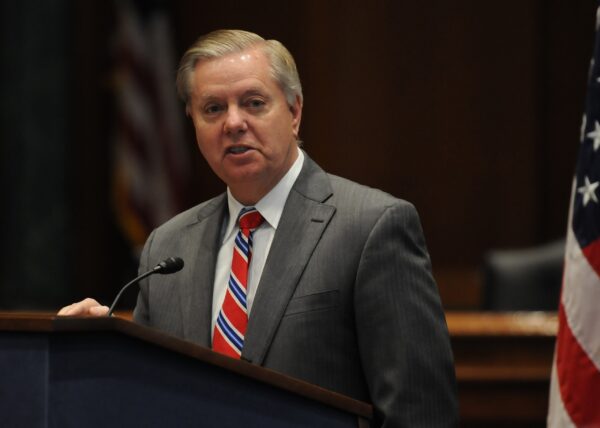
Sen. Lindsey Graham, R-S.C., reportedly renewed his call for aggressive action against Iran on Sunday, arguing that the United States should seize control of Kharg Island — a critical hub for the country’s oil exports — as tensions continue to rise in the Middle East.
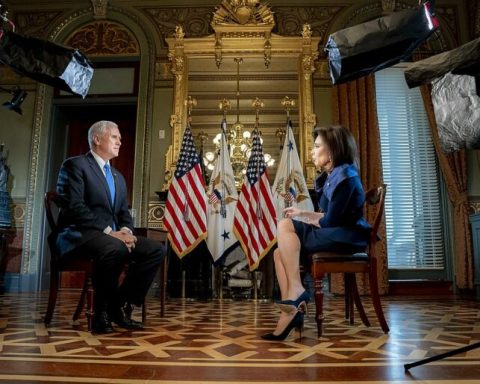
Speaking on Fox News Sunday with host Shannon Bream, Graham described the island as a strategic linchpin, noting it serves as the departure point for roughly 90 percent of Iran’s oil exports. In his view, taking control of the island could deal a decisive blow to Tehran’s economic and military capabilities.
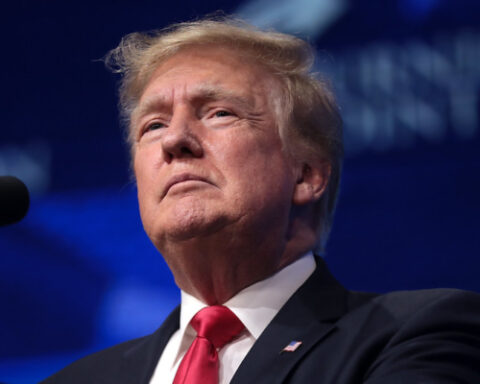
Graham’s remarks come amid a rapidly evolving situation in the region. Earlier this month, President Donald Trump said U.S. forces had already struck “every military target” on Kharg Island, though he emphasized that the island’s oil infrastructure had been spared “for reasons of decency.” At the same time, Trump warned that any interference with shipping through the Strait of Hormuz could prompt a reconsideration of that restraint.
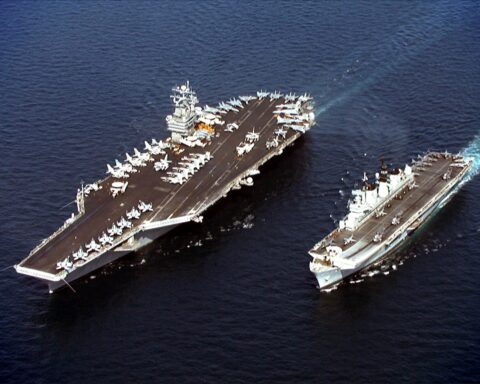
That warning has taken on new urgency as the vital waterway remains effectively shut down following Iranian strikes on oil tankers. Over the weekend, Trump escalated his rhetoric further, issuing a direct ultimatum: reopen the strait or face U.S. strikes targeting Iran’s power plants.
Against that backdrop, Graham said he advised the president that a more permanent solution would require control of Kharg Island itself. “Take Kharg Island,” he said, arguing it is where Iran concentrates the resources needed to produce and export oil.
Pressed by Bream on whether such a move would require U.S. troops on the ground — and citing concerns raised in The Atlantic about the potential for a prolonged and difficult conflict — Graham dismissed the criticism.
“I’m sort of tired of all this armchair quarterbacking,” he said, praising what he called an “amazing military operation” while also acknowledging those who have died.
Still, the question of ground troops loomed large. Bream pointed out the distinction between air or naval operations and the risks associated with deploying forces on land, particularly in a contested environment far from supply lines.
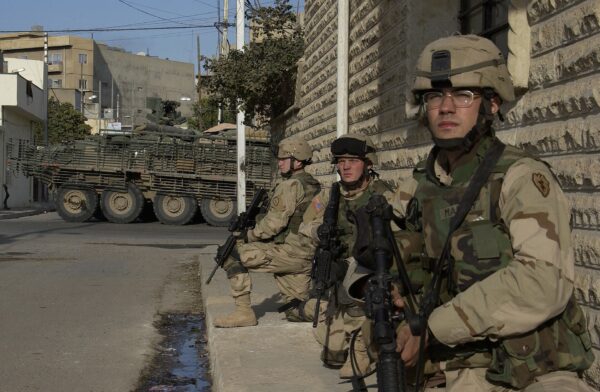
Graham responded by expressing confidence in the U.S. military, particularly the Marine Corps and the Department of Defense. “We did Iwo Jima, we can do this,” he said, invoking one of the most intense battles in American history as evidence of what U.S. forces are capable of achieving.
At the same time, Graham acknowledged some uncertainty about the exact approach, suggesting that either seizing or blockading the island could achieve the desired outcome. In either case, he argued, controlling Kharg Island would significantly weaken what he described as a “terrorist regime,” predicting it would begin to collapse under pressure.
The senator also tied his proposal to broader regional goals, saying he wants to “complete what [Joe] Biden started” by neutralizing Iran’s ability to carry out attacks like those seen on October 7. From there, he said, the focus should shift to diplomacy, including efforts to secure a peace agreement between Saudi Arabia and Israel aimed at normalizing relations and ending the longstanding Arab-Israeli conflict.
The comments highlight a familiar tension in U.S. foreign policy debates: the belief that decisive military action can create the conditions for peace, weighed against concerns about the cost and duration of such efforts. While Graham’s confidence in American strength is clear, the discussion also reflects lingering questions about what it would take to achieve those goals — and how much the nation is willing to risk to get there.
[READ MORE: Trump Issues Stark Ultimatum to Iran Over Strait of Hormuz as War Pressures Mount]