A fragile ceasefire in the Middle East faced one of its most serious tests yet after Iran launched a wave of attacks overnight targeting American military installations and other sites in allied nations across the region, responding directly to recent U.S. retaliatory strikes.
The latest exchange highlights how quickly military confrontations can escalate, even as diplomatic efforts continue behind the scenes. While officials reported no casualties or significant damage from the newest attacks, the rapid cycle of action and reaction has raised fresh concerns about stability in a region already strained by months of tension.
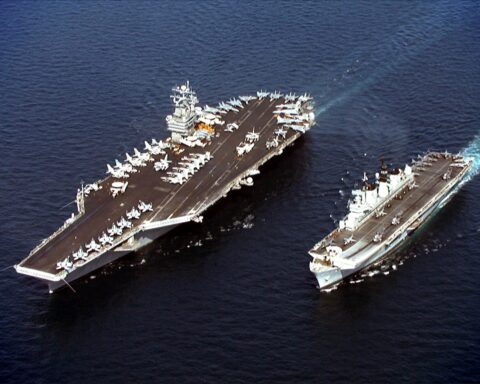
Iran’s Islamic Revolutionary Guard Corps announced that it carried out 21 attacks against U.S. military bases in the Middle East. Among the targets was the Al Azraq American military base in Jordan. Iranian officials also claimed to have shot down an MQ-9 drone over Iranian territory.
Despite the scope of the operation described by Tehran, a U.S. official told The New York Times that all incoming missile and drone attacks were successfully intercepted. According to the official, no damage was reported at American military facilities.
Regional allies also reported successful defensive actions.
Jordan said its military intercepted and destroyed five missiles launched by Iran toward the Muwaffaq Salti Air Base, which hosts U.S. personnel. The country’s state-run news agency reported that no injuries resulted from the attack.
Bahrain’s military likewise announced that its air-defense systems intercepted and destroyed missiles that had been directed toward civilian areas. The Kuwait Army also reported intercepting hostile aerial targets before they could reach their destinations.
Iran said its operation was a direct response to recent U.S. strikes near the Strait of Hormuz. According to Iran’s state broadcaster, those American strikes also destroyed two water desalination plants located in the southern Hormozgan Province.
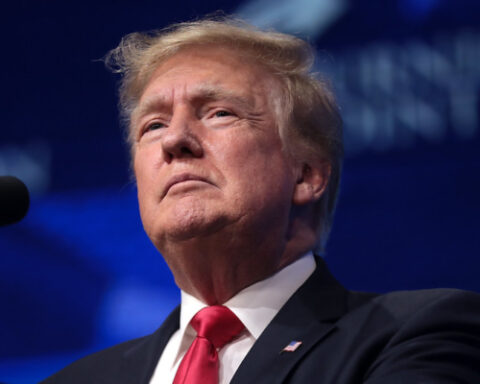
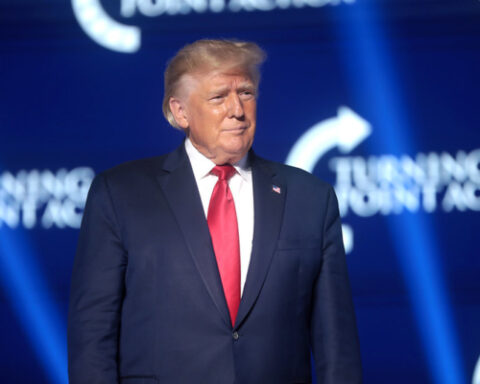
The U.S. military action came after an American AH-64 Apache helicopter went down near the Strait of Hormuz overnight Monday. President Donald Trump blamed Iran for the incident and ordered a military response.
U.S. Central Command said it began launching what it described as “self-defense strikes” against Iran at approximately 5 p.m. EDT Tuesday. Centcom characterized the operation as a proportional response to what it called unjustified Iranian aggression.
Trump addressed the incident on Truth Social, stating that the two pilots aboard the helicopter were unharmed but emphasizing that the United States “must, out of necessity, respond to this attack.”
According to Centcom, the Apache helicopter went down Monday evening off the coast of Oman while conducting patrol operations in regional waters. U.S. forces rescued both pilots within two hours using an unmanned Navy vessel.
The growing tensions come at a particularly delicate moment. Trump has repeatedly suggested in recent weeks that a diplomatic agreement with Iran could be within reach. The latest military exchanges, however, threaten to complicate those negotiations and further reduce trust between the two sides.
Iranian Parliament Speaker Mohammad Bagher Ghalibaf underscored that tension in a post on X.
“We prefer the language of diplomacy, but we speak other languages far more fluently. Break your commitments, and we’ll switch to what we speak best,” he wrote.
The latest developments also follow direct military exchanges between Iran and Israel in recent days. Iran launched ballistic missiles toward Israel as a warning against an Israeli incursion into Lebanon. Israel subsequently conducted strikes of its own despite Trump’s push for restraint. Although both sides have agreed to pause additional attacks for now, each has warned that military operations could resume.
Meanwhile, energy markets appeared relatively calm despite the turmoil. Brent crude oil traded at roughly $90 per barrel early Wednesday. Gasoline prices have declined in recent weeks, but a Reuters/Ipsos poll released Monday found that most American adults expect fuel prices to rise over the coming year as continued conflict creates uncertainty in global markets.
For now, defensive systems appear to have prevented casualties from the latest attacks. Yet the ongoing exchange of military strikes serves as another reminder of how quickly regional conflicts can widen, even as leaders continue speaking publicly about diplomacy.
[READ MORE: Boebert Erupts at Reporter Over Affair Allegation Tied to Former Massie Associate]