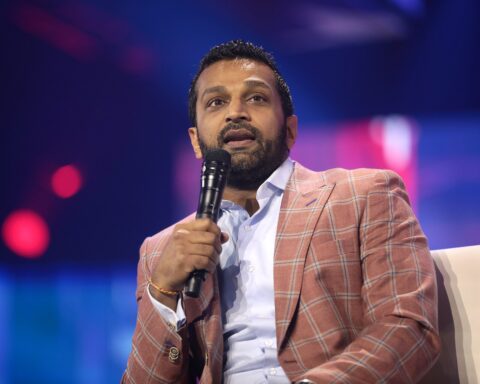
In the aftermath of the attempted shooting at the White House Correspondents’ Dinner, Fox & Friends co-hosts Lawrence Jones and Brian Kilmeade pressed FBI Director Kash Patel on a critical issue many Americans are now asking: was the suspect already known to federal authorities before the attack unfolded?
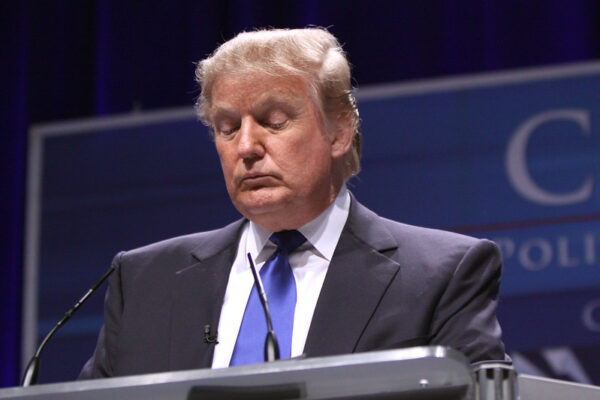
Both hosts were present at the Washington Hilton when an armed man rushed past security in an apparent attempt to storm the event, where President Donald Trump, Vice President JD Vance, and other senior officials were gathered. The situation quickly escalated, prompting Secret Service agents to evacuate top leaders as chaos spread through the ballroom.
Authorities say one officer was struck during the incident, though a bulletproof vest prevented serious injury. The suspect, identified as 31-year-old Cole Allen from California, was swiftly apprehended and taken into custody before further harm could be done.
Investigators later discovered that Allen had left behind a manifesto expressing intent to target Trump and other high-ranking officials. According to a senior official cited by CBS News, the suspect’s social media activity included anti-Trump and anti-Christian rhetoric. Officials also determined that he had attended a “No Kings” protest in his home state, raising further questions about his motivations and whether warning signs were missed.
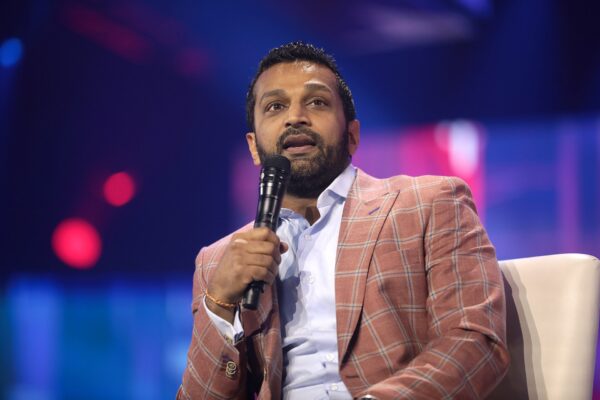
Appearing on Fox & Friends Monday morning, Patel offered an update on the FBI’s response, outlining a nationwide effort to piece together the suspect’s background. He noted that agents had conducted interviews across the country and deployed the bureau’s mobile command center as part of the investigation.
Still, when pressed directly about whether Allen had been on the federal government’s radar before the attack, Patel declined to provide specifics. Jones repeatedly sought clarity, asking whether authorities had seen the suspect’s online postings in advance or if any alerts had been issued prior to the incident.
Patel responded by pointing to the FBI’s Behavioral Analysis Unit, describing its role in compiling a comprehensive profile of the suspect. He explained that the unit reviews a wide range of materials, including emails, social media posts, and interviews with those who knew the individual, in order to better understand intent and behavior.
However, Patel emphasized that much of this work is still ongoing and cannot yet be publicly disclosed. He made clear that the findings would be presented in a formal criminal complaint, rather than discussed in real time during a media appearance.
Kilmeade continued to press for answers, seeking confirmation on whether any prior knowledge existed. Jones followed up, drawing a distinction between post-incident analysis and pre-incident awareness, asking plainly whether there had been any “chatter” about the suspect before the attack occurred.
But Patel held firm, stating that those questions would ultimately be addressed through official legal channels. While he assured viewers that the bureau has examined these issues, he declined to get ahead of the Department of Justice or the federal magistrate overseeing the case.
The exchange highlights a familiar tension in moments like this: the public’s demand for immediate answers versus the government’s cautious approach during an active investigation. Even as authorities work to build a complete picture, the fact that such an incident was able to unfold at a high-security event is likely to fuel ongoing scrutiny—not just of this case, but of the broader systems in place meant to prevent violence before it begins.
[READ MORE: Mounting Damage to U.S. Military Assets Raises Cost Questions as Iran Strikes Take Toll]