Iranian strikes across the Gulf region have reportedly inflicted billions of dollars in damage to U.S. military infrastructure, raising new concerns about transparency from the Trump administration as lawmakers seek clarity on the growing financial burden of the conflict.
According to six individuals familiar with the situation, the destruction spans a wide range of critical assets, including runways, advanced radar systems, aircraft, warehouses, command centers, hangars, and satellite communications infrastructure. The scale of the damage stretches across multiple countries in the Middle East, underscoring the broad reach of the attacks and the vulnerability of key American installations overseas.
Estimates suggest that repairs alone could climb as high as $5 billion. That figure, however, does not account for the cost of replacing equipment deemed unsalvageable, including damaged radar systems, weapons platforms, and aircraft. In other words, the true price tag may ultimately prove far higher than initial projections indicate.
Some of the earliest damage occurred at Camp Buehring in Kuwait, where an Iranian F-5 fighter jet reportedly struck within days of the war’s onset on February 28, coinciding with the beginning of U.S.-Israeli operations. Additional damage has been reported at multiple bases throughout the region.
In the United Arab Emirates, both Al Dhafra Air Base and Al Ruwais military base sustained hits to fuel storage facilities, hangars, barracks, a medical clinic, and other structures. Elsewhere, installations in Saudi Arabia, Jordan, and Kuwait—including Prince Sultan Air Base, Muwaffaq Salti Air Base, Camp Arifjan, and Shuaiba Port—also saw U.S. resources impacted.
Further damage extended to naval infrastructure, with three officials telling NBC News that the headquarters building for the U.S. Navy in Bahrain and at least two air defense systems were significantly affected. A congressional official, citing a Pentagon assessment, told The New York Times that repairs to the Navy’s Fifth Fleet headquarters alone could total roughly $200 million.
An independent assessment from the American Enterprise Institute added to the picture, noting strikes on Ali Al Salem Air Base in Kuwait, a runway at Al-Udeid Air Base in Qatar, and a munitions storage site in northern Iraq. Mackenzie Eaglen, a senior fellow at AEI, said rebuilding costs tied to Operation Epic Fury could include everything from repairs and reconstruction to full replacement or even abandonment of certain facilities.
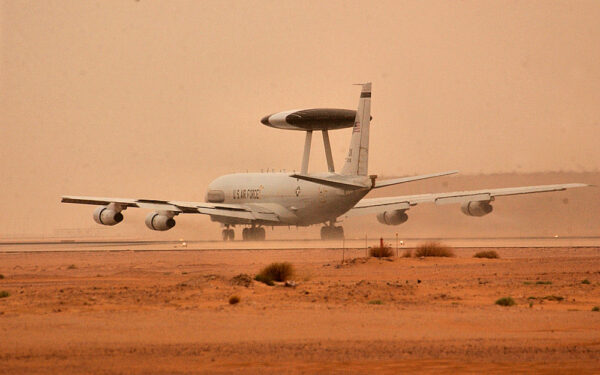
The list of damaged equipment is also significant. Reports indicate losses or damage to at least one fighter jet, a dozen MQ-9 Reaper drones, two MC-130 tankers, helicopters, and an E-3 Sentry aircraft.
Despite the mounting figures, officials say details from the Pentagon have been limited. The agency did not immediately respond to requests for comment, and lawmakers have reportedly received only sparse briefings.
That lack of clarity is fueling frustration on Capitol Hill. One congressional aide told NBC News that repeated requests for specifics have gone unanswered. “No one knows anything. And it’s not for lack of asking,” the aide said, noting that questions persist even as the Pentagon pushes for a record-high budget.
Earlier estimates from March indicated that just the first six days of the war cost more than $11.3 billion, excluding repair costs. Of that, $5.6 billion went toward munitions in the first two days alone.
While the strategic objectives of the conflict remain a matter of debate, the financial toll is becoming harder to ignore. As damage assessments continue to come into focus, the growing costs—and the limited transparency surrounding them—are likely to remain front and center in Washington.
[READ MORE: California Hunter Killed by Group of Rampaging Elephants During Africa Hunt]