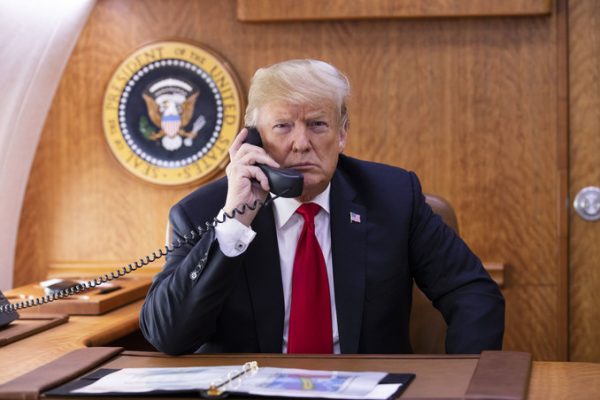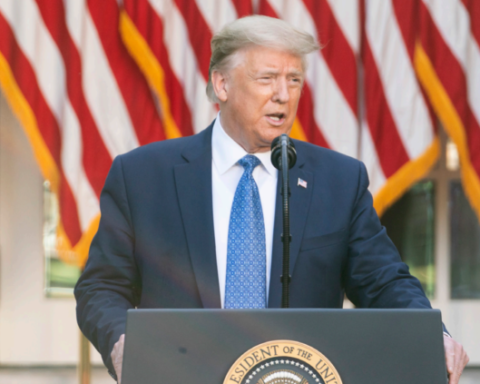
President Donald Trump on Wednesday stirred fresh controversy after sharing another artificial intelligence-generated image of Jesus Christ, just days after deleting a previous post that drew sharp criticism — including from members of his own party.
The latest post, shared on Truth Social, featured an image of Jesus standing side-by-side with Trump, with his arm around the president. The image appeared to be a screenshot of another user’s post, which included a message suggesting that recent events point to divine intervention. The caption referenced the idea that “God might be playing his Trump card,” framing current developments in spiritual terms.
The move comes on the heels of an earlier post in which Trump shared an AI-generated image portraying himself as a Christ-like figure healing a sick man. That image quickly sparked backlash, with critics arguing it crossed a line. The reaction was notable not only for its intensity, but also because it came from within Trump’s own political base as well as from his opponents.
The original post was ultimately deleted on Monday morning. When pressed about the controversy, Trump dismissed the criticism, saying he believed the image depicted him as a “doctor,” and accused the media of fueling outrage. He pointed to what he described as “fake news” coverage as a driving force behind the reaction.
Rather than stepping back, however, Trump appeared to lean into the moment. In Wednesday’s post, he acknowledged the criticism while taking aim at political opponents, writing that “the Radical Left Lunatics might not like this, but I think it is quite nice!!!”
The episode highlights the increasingly blurred lines between politics, technology, and cultural symbolism. AI-generated imagery, once a novelty, is now being used in high-profile political messaging — sometimes with unpredictable results. What might once have been dismissed as satire or fringe commentary is now reaching millions instantly, raising questions about tone, intent, and the broader impact on public discourse.
At the same time, the reaction underscores how sensitive religious imagery remains in American life. For many voters, faith is deeply personal, and depictions that appear to elevate political figures into sacred contexts can quickly ignite backlash. Even among supporters, there are limits to how far such comparisons can go before they become a distraction from more substantive issues.
The controversy also arrives at a moment when political rhetoric across the board has grown more heated, often invoking stark moral language. References to good and evil, once reserved for more solemn discussions, are now increasingly common in everyday political messaging.
As Trump continues to engage directly with supporters through social media, moments like this serve as a reminder of both the power and the risks of unfiltered communication. While the posts may energize some segments of his base, they also risk alienating others who view such imagery as inappropriate or unnecessary.
In the end, the debate surrounding these posts is less about a single image and more about the broader direction of political discourse — where symbolism, technology, and belief intersect in ways that can unite, divide, or simply distract from the issues at hand.
[READ MORE: Trump Touts White House UFC Event as Interest Surges Ahead of ‘Freedom 250’]