A missile attack struck the United States embassy complex in Baghdad early Saturday as President Donald Trump’s Operation Epic Fury pushed toward its third week, underscoring the growing volatility surrounding the expanding conflict with Iran.
The strike came amid an already tense moment in the war, which has continued to escalate even as the administration insists the United States maintains a decisive military advantage.
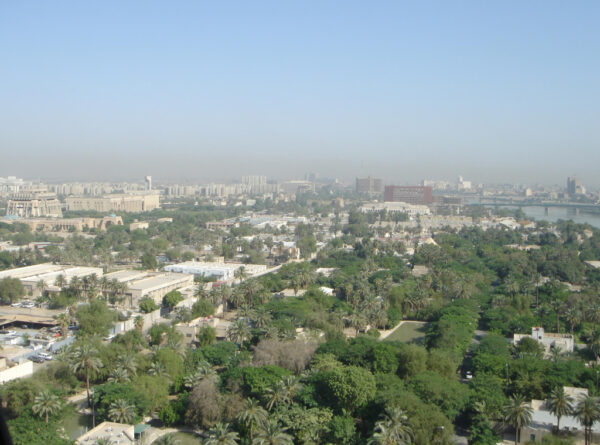
According to Iraqi security sources cited by Reuters, missiles hit the U.S. embassy compound in the Iraqi capital shortly after midnight U.S. time. The attack caused smoke to rise from the embassy building, though the sources did not provide details on the extent of the damage.
The Associated Press reported that missiles struck a helipad within the sprawling diplomatic compound. No group immediately claimed responsibility for the attack.
The embassy complex in Baghdad, one of the largest U.S. diplomatic facilities in the world, has been targeted repeatedly in the past by rockets and drones launched by militias aligned with Iran. The latest strike highlights the persistent threat posed by those groups as the broader war between Washington and Tehran continues.
There was no immediate comment from the embassy following the attack. Just a day earlier, the facility renewed its Level 4 security alert for Iraq, warning that Iran and Iran-aligned militia groups have previously carried out attacks against U.S. citizens, interests, and infrastructure and may continue targeting them.
The embassy warning reflected the wider instability now spreading throughout the region as fighting intensifies.
As the second week of the Iran war comes to a close, the human and economic toll has continued to mount. Thirteen U.S. servicemembers have been killed since the start of the conflict. A preliminary U.S. military investigation has also determined that the United States was responsible for a strike on an elementary school that killed at least 160 children.
At the same time, attacks on oil tankers moving through the Strait of Hormuz have worsened already surging energy prices and rattled financial markets, sending shockwaves through the global economy.
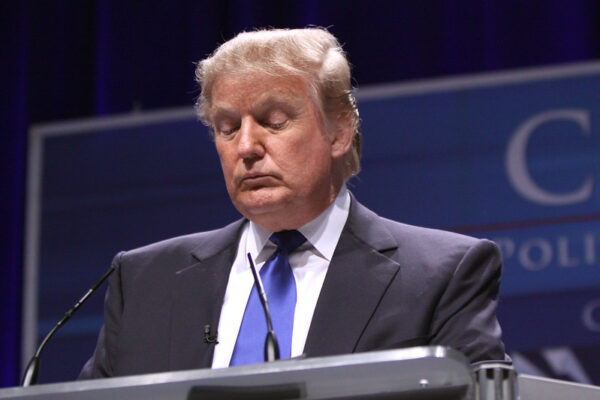
Despite the turmoil, President Trump has repeatedly emphasized what he describes as overwhelming American dominance in the conflict. The president has said on multiple occasions that the United States has effectively already won, while sharply criticizing media coverage suggesting otherwise.
Even so, fighting has continued into the weekend.
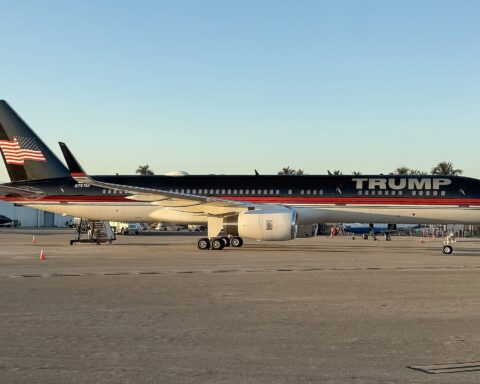
Trump addressed reporters Friday as he departed for Florida. When asked how long the war might last, the president declined to provide a timeline.
“We’re way ahead of schedule,” Trump said, though he did not elaborate on what that schedule might be or when the operation could conclude.
For many observers, the developments in Baghdad serve as a reminder that even a conflict where one side holds clear military superiority can remain unpredictable. The attack on the embassy complex illustrates the broader network of regional actors involved in the crisis and the potential for the conflict to spread beyond its initial battlefield.
With missile strikes now hitting a major U.S. diplomatic compound and economic disruptions rippling across global markets, the war continues to carry consequences that reach far beyond the front lines.
As Operation Epic Fury moves deeper into its third week, the latest events in Baghdad underscore a reality that has accompanied many modern conflicts: even when victory is declared, the dangers rarely disappear overnight.
[READ MORE: Jim Cramer Sparks Backlash After Invoking Vietnam While Urging Hardline Strike on Iran]