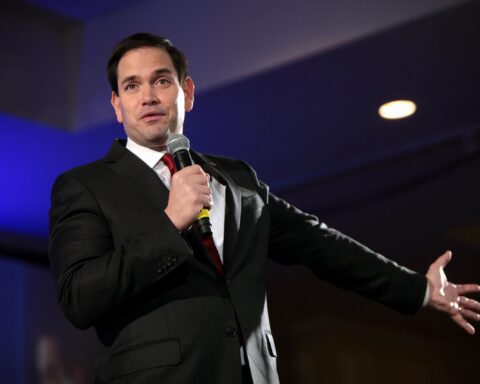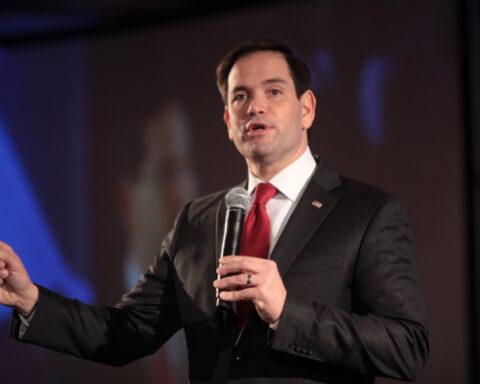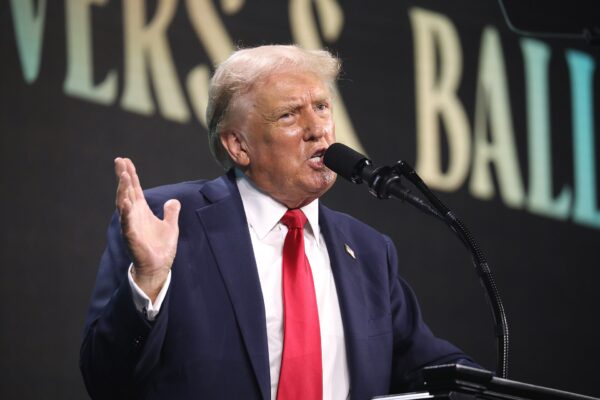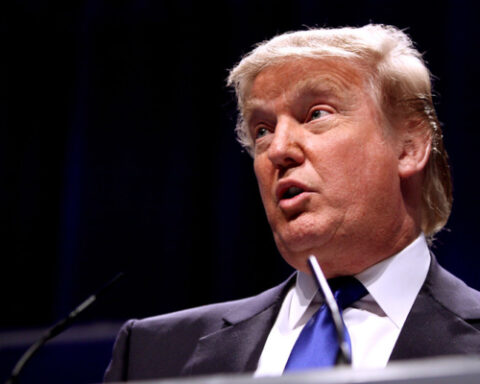
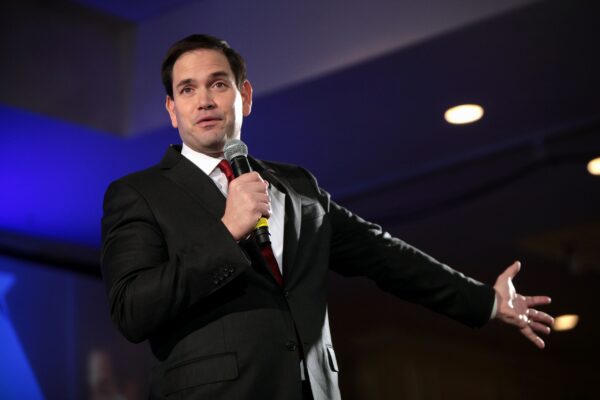
Secretary of State Marco Rubio is set to travel to the Vatican and Rome this week for high-level meetings with Pope Leo XIV and Italian officials, as tensions linked to President Donald Trump continue to ripple across key diplomatic relationships.
Rubio’s visit, scheduled from Wednesday through Friday, comes at a delicate moment. According to the State Department, his discussions with Vatican leadership will focus on the situation in the Middle East as well as areas of shared interest in the Western Hemisphere. Separate meetings with Italian counterparts are expected to center on “shared security interests and strategic alignment,” signaling an effort to steady ties that have recently been tested.
The trip places Rubio, himself a Catholic, in the middle of a highly public and unusually sharp dispute between Trump and the pontiff — a clash that has drawn in European leaders and underscored broader disagreements over war, diplomacy, and leadership tone.
The friction began in early April, when Pope Leo XIV issued pointed criticism of Trump after the president threatened in a social media post to destroy Iran’s civilization. The pope called such rhetoric “unacceptable,” urging citizens to reach out to political leaders and advocate for peace rather than escalation. His remarks stood out not only for their directness but also for their clear warning against the dangers of war.
That criticism was amplified by a “60 Minutes” segment highlighting the pope’s earlier objections to Trump administration policies, including mass deportations, further fueling tensions. Trump responded forcefully on Truth Social, accusing the pope of being “WEAK on Crime, and terrible for Foreign Policy,” escalating what quickly became a prolonged public dispute.
The back-and-forth took another turn when Trump posted an AI-generated image widely interpreted as depicting himself in a religious context. The post was later removed following backlash and accusations of blasphemy, but the controversy only added to the already strained atmosphere.
Italy was soon pulled into the dispute. Prime Minister Giorgia Meloni publicly defended the pope, calling Trump’s remarks “unacceptable.” Trump, in turn, expressed surprise at her response, saying he had previously viewed her as “brave” but now questioned that assessment.
Meloni’s position reflects a broader divergence, particularly regarding the ongoing conflict involving Iran. The Italian leader, while generally seen as an ally of Trump, had earlier distanced herself from the U.S. and Israeli military posture in the region, signaling discomfort with the trajectory of the conflict.
Rubio’s visit now appears aimed at managing these overlapping tensions — between Washington and the Vatican, and between the U.S. and one of its key European partners. While the official agenda emphasizes cooperation and shared interests, the backdrop is unmistakably shaped by disagreement over war and the risks that come with escalating rhetoric.
At its core, the situation highlights a familiar challenge in foreign policy: balancing strength with restraint. While calls for decisive action often resonate politically, the consequences of confrontation — particularly in volatile regions — can extend far beyond immediate objectives.
As Rubio steps into meetings with both religious and political leaders, the stakes go beyond diplomacy alone. The outcome may help determine whether recent divisions can be eased, or whether they signal a deeper fracture in alliances already under pressure from global conflict.
For now, the trip underscores a reality facing U.S. leadership: navigating not only adversaries abroad, but also disagreements among allies over how far to go — and how much risk to accept — in a world where the line between pressure and escalation remains razor thin.
[READ MORE: Trump Renews Call to End Filibuster as Election Fight Intensifies]