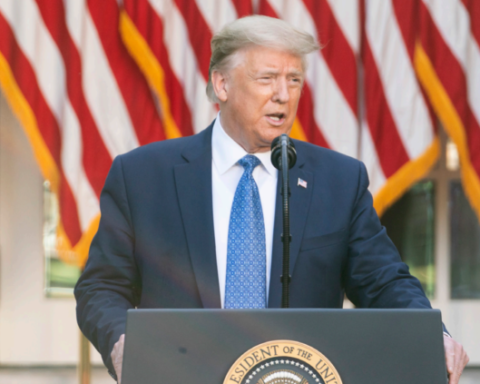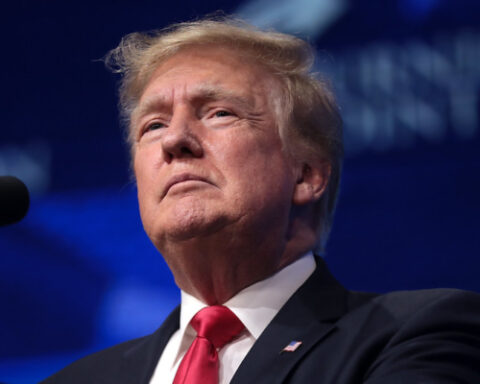
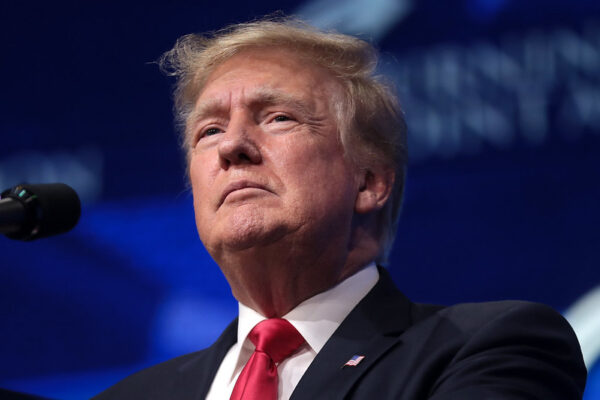
President Donald Trump said Thursday that he had just concluded a meeting addressing unconfirmed reports involving missing and deceased nuclear scientists, describing the situation as “pretty serious stuff” as questions continue to mount.
Speaking with reporters, Trump confirmed that the matter had reached a level warranting direct attention from the administration, though he stopped short of offering conclusions. The reports themselves remain unverified, and no confirmed links have been established between the cases. Still, the growing list of incidents has raised concerns within parts of the scientific community, particularly among those working in sensitive national security fields.
“I just left a meeting on that subject,” Trump said, signaling that the administration is actively monitoring the situation. While cautioning that details remain unclear, the president acknowledged the potential gravity of the reports, noting that “some of them were very important people.”
According to coverage cited by outlets including Newsweek and the Daily Mail, one of the cases involves veteran NASA Jet Propulsion Laboratory scientist Michael David Hicks, who reportedly died in 2023 under circumstances where no public cause of death was disclosed. Newsweek has indicated that Hicks’ case is among a broader list—now reportedly totaling nine—of deaths or disappearances involving U.S. experts in fields such as space, defense, and nuclear research.
Despite the attention surrounding these reports, officials have emphasized that no direct connections between the incidents have been confirmed. The absence of clear evidence linking the cases has left open the possibility that the events may be unrelated, even as speculation continues to circulate.
Trump addressed that uncertainty directly, expressing hope that the incidents are coincidental while making clear that the administration intends to seek clarity. “I hope it’s random, but we’re going to know in the next week and a half,” he said.
The president’s remarks come as the White House signals it may take a closer look at the issue. Press Secretary Karoline Leavitt told reporters during a Wednesday briefing that she had not yet consulted with the relevant agencies but indicated a willingness to do so.
“I haven’t spoken to our relevant agencies about it. I will certainly do that, and we’ll get you an answer,” Leavitt said when asked about the reports. She added that if the claims prove accurate, the matter would likely warrant further investigation by the administration.
“If true, of course, that’s definitely something I think this government and administration would deem worth looking into,” she said.
For now, the situation remains defined more by questions than answers. The reports, while drawing attention, have yet to produce verified conclusions or evidence of a coordinated pattern. Still, the involvement of individuals tied to national security-related research has heightened the stakes of the discussion.
As the administration weighs its next steps, the episode underscores the delicate balance facing policymakers: maintaining vigilance over potential threats while avoiding premature conclusions in matters where the facts remain unsettled. In an era where national security concerns often intersect with global tensions, even unconfirmed reports can quickly take on added significance, making careful scrutiny all the more essential.
[READ MORE: Bomb Threat at Pope’s Brother’s Home Prompts Investigation, Raises Tensions Amid Broader Disputes]